
Maryland’s Vision & Prosper’s Role: Tier 1 Support and Self-Care 101
In 2024, Maryland set out to strengthen student mental wellness by expanding access to early-support, prevention-focused tools - especially those that help teens build emotional regulation, self-awareness, and everyday self-care skills. The state needed options that worked across rural and urban school systems while creating minimal burden for school staff.
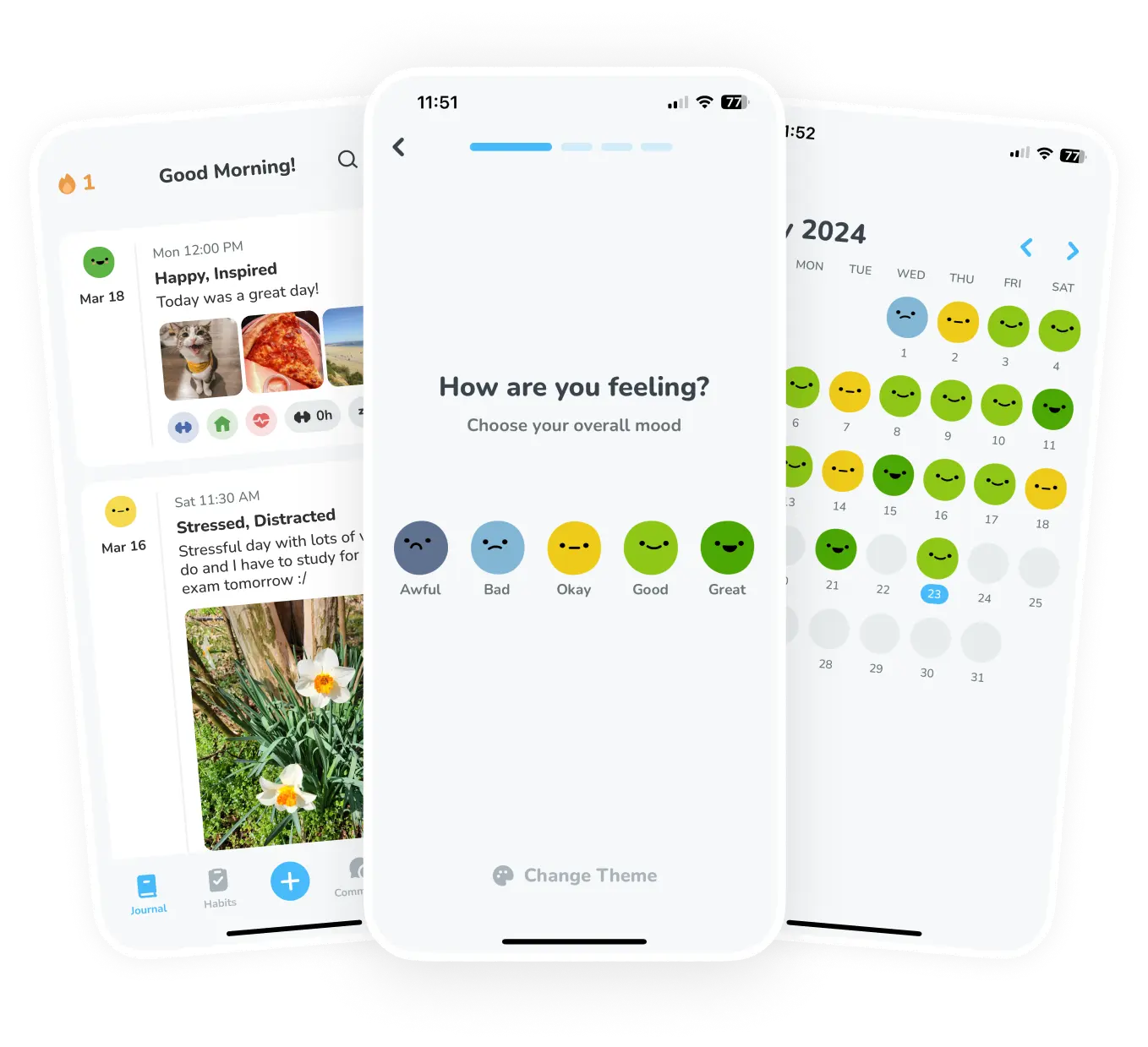
Prosper was chosen to fill this gap as a Tier 1, universal self-care tool that gives students a non-clinical and private way to track emotions, journal, practice coping skills, and build daily habits. Designed as “self-care 101,” Prosper complements (but doesn’t replace) school mental health staff and aligns with statewide Social-Emotional Learning (SEL) goals by helping students reflect, notice trends, and build emotional readiness regardless of whether they’re connected to services.
How We Implemented It: A Grassroots, Collaborative Approach To introduce Prosper in Calvert (rural) and Prince George’s County (urban), we used a relationship-driven approach rather than a quick, top-down rollout. Key elements included:
On-site school visits and rapport-building with principals, counselors, and wellness staff
Training tailored to each school’s culture
Partnerships with mental health offices, county leadership, and community partners
Flexible implementation formats from QR-code signups at events to classroom introductions and club-based rollouts
Support materials such as self-care videos, handouts, and short presentations
This approach allowed Prosper to integrate into existing workflows and ensured students were introduced to the app by trusted adults.
Challenges & Early Lessons Every innovation effort comes with lessons, and ours was no exception. 1. Building Trust Takes Time Schools needed reassurance around privacy, data security, and Prosper’s role. Establishing trust required repeated in-person engagement and clear communication, not just remote meetings. 2. Engagement Must Be Local and Grassroots Traditional marketing didn’t reach teens in school settings. What worked instead: - Physical presence at wellness fairs, cafeterias, sporting events - Student ambassadors and trusted adult champions - Integrating Prosper into SEL blocks, advisory periods, and health classes Grassroots strategies were especially effective in rural communities where word of mouth and community familiarity matter deeply. 3. Data Helps Schools Reinforce What’s Working Midyear, we launched de-identified dashboards to give administrators access to engagement trends, most-used tools, check-in patterns, and journaling volume. This visibility helped schools understand student needs and refine engagement efforts.
What We Saw: Engagement, Trends, and Student Feedback Across both counties, clear patterns emerged:
Students gravitated toward quick, accessible self-care tools like breathing exercises, grounding techniques, and mood check-ins.
In five months, thousands of students received self-care training and over 3,000 adopted Prosper as their wellness tool, culminating in 40,000+ daily wellness check-ins.
Journaling became a standout feature, with 10,000+ guided journals completed Students reported that Prosper helped them “slow down,” “vent privately,” and “track feelings I didn’t notice before.
”86% of surveyed students said Prosper helped them maintain or improve their mental wellness. Once trust and relationships were established, every school saw steady, organic growth in use.
Lessons to Guide the New Year Moving forward, we plan to:
Start earlier with staff, student ambassadors, and parents
Treat every school as a unique community with its own needs
Maintain frequent in-person presence, especially during stressful seasons
Give teens more voice: peer-led rollouts outperform adult-only approaches
Share dashboard insights routinely and refine reporting with school leadership
Emphasize “everyday” self-care, not just crisis or clinical scenarios
Ultimately, we learned that when students are given a simple, judgment-free space to understand themselves, they use it and they show us what they need.
To learn more about Prosper and explore the app yourself, visit prosperselfcare.com